
Conference Venue

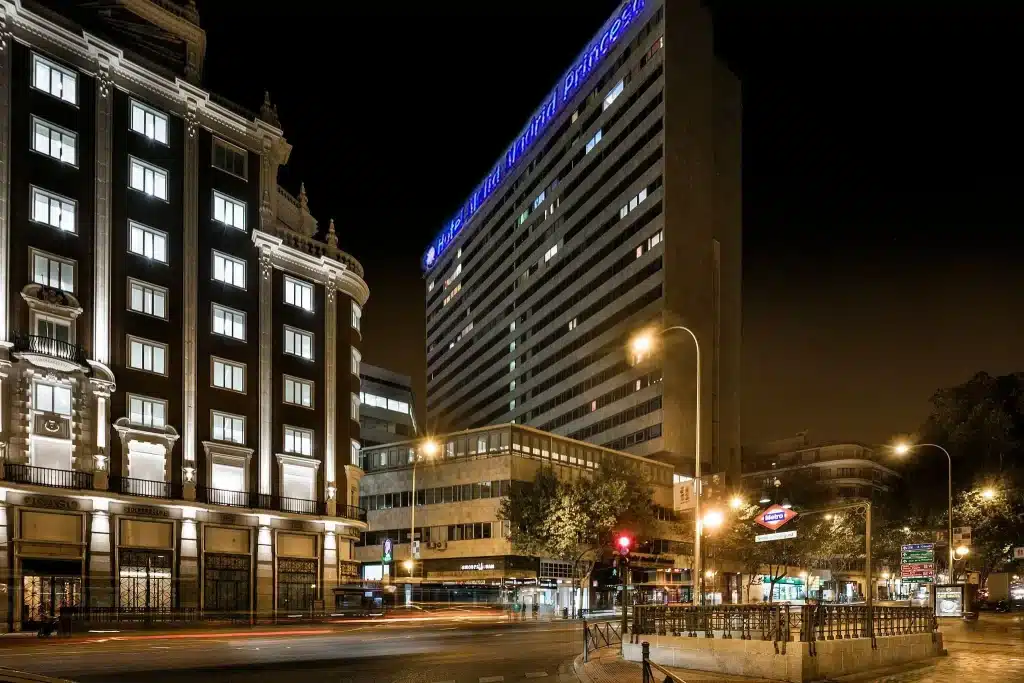
- Meliá Madrid Princesa
- Address: Calle de la Princesa, 27, Moncloa - Aravaca, 28008 Madrid, Spain
First visit Madrid?
The Organizing Committee prepared a list of recommended conference accommodation, just for you! Check the hotel suggestions below and book your accommodation well in advance to secure the best available rates.
Accommodation

Palacio de los Duques Gran Meliá
Address: Cuesta de Sto. Domingo, 5, Centro, 28013 Madrid, Spain
Phone: +34 915 41 67 00

The Palace, a Luxury Collection Hotel
Address: Pl. de las Cortes, 7, Centro, 28014 Madrid, Spain
Phone: +34 913 60 80 00
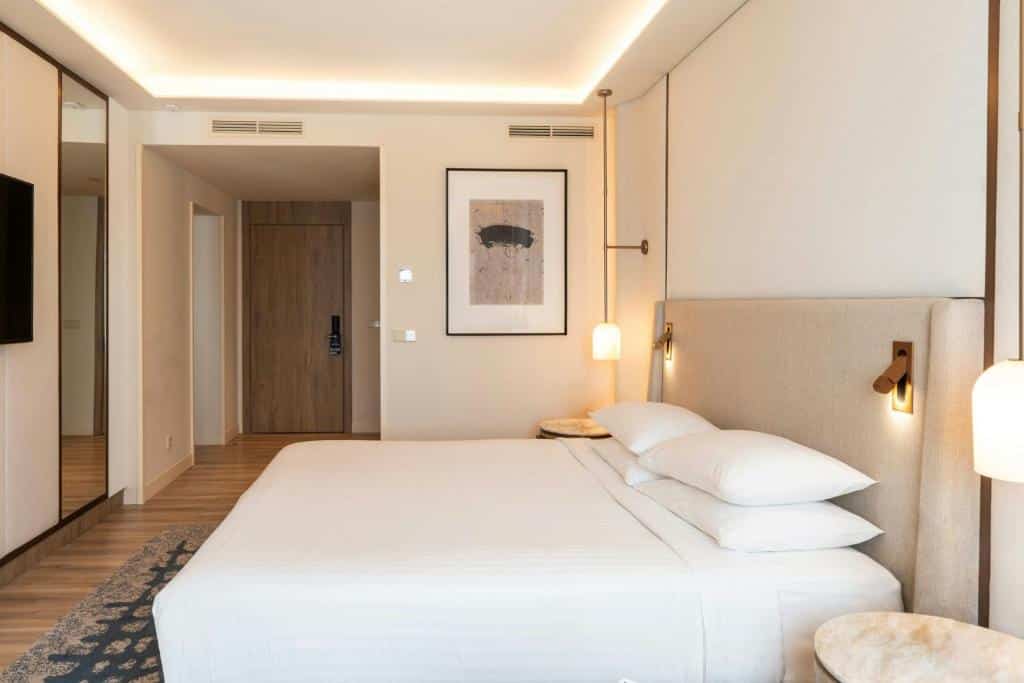
Hotel Princesa Plaza Madrid
Address: C. de Serrano Jover, 3, Centro, 28015 Madrid, Spain
Phone: +34 91-5422100
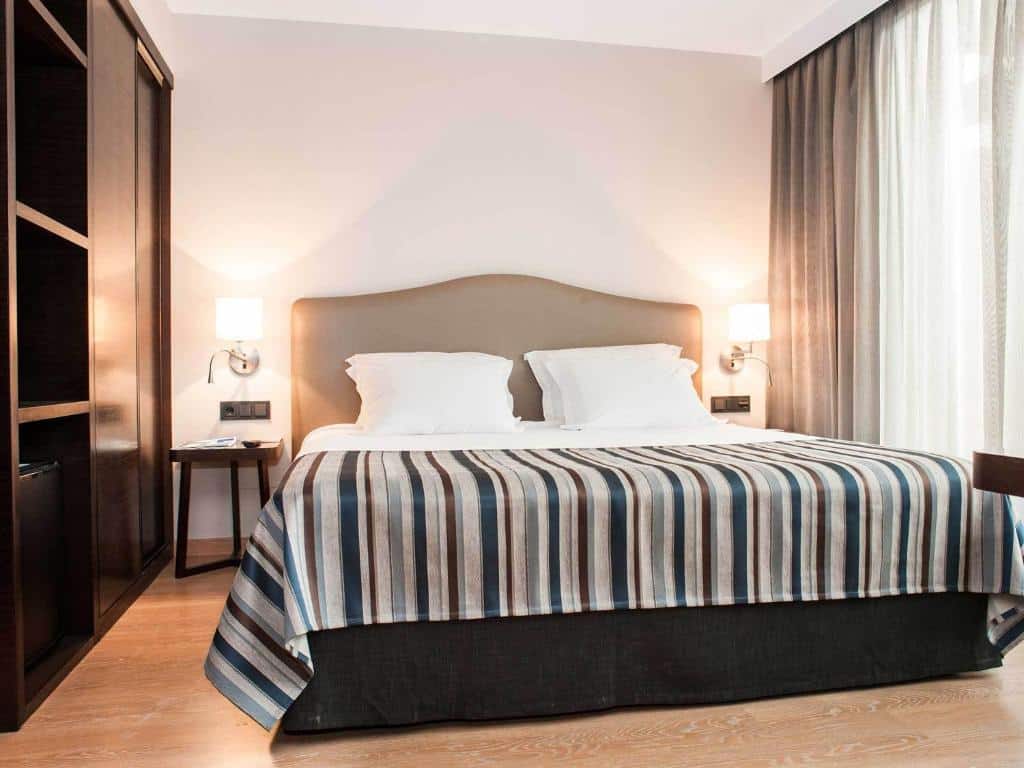
Hotel EXE Moncloa
Address: C. Arcipreste de Hita, 10, Chamberí, 28015 Madrid, Spain
Phone: +34 917 45 92 99
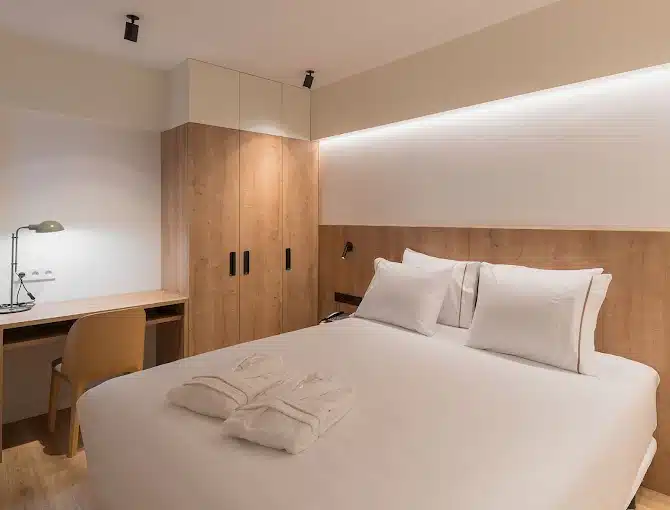
Muralto Madrid Princesa
Address: Calle del Buen Suceso, 3, Moncloa – Aravaca, 28008 Madrid, Spain
Phone: +34 915 42 44 00
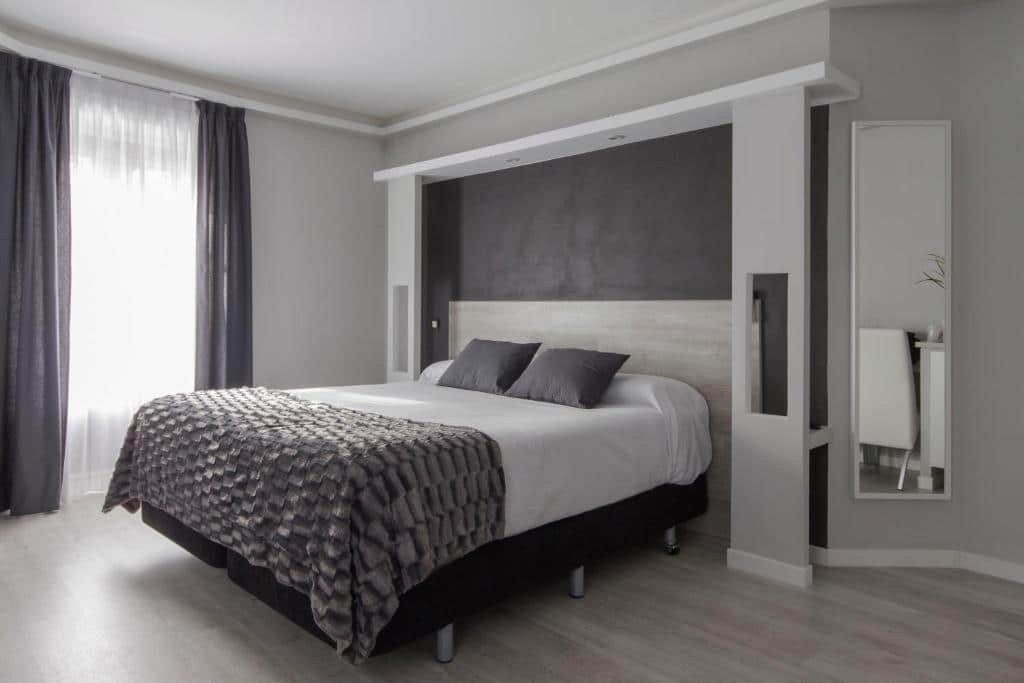
Hostal Overnight
Address: Calle de la Princesa, 45, Moncloa – Aravaca, 28008 Madrid, Spain
Phone: +34 916 03 40 29
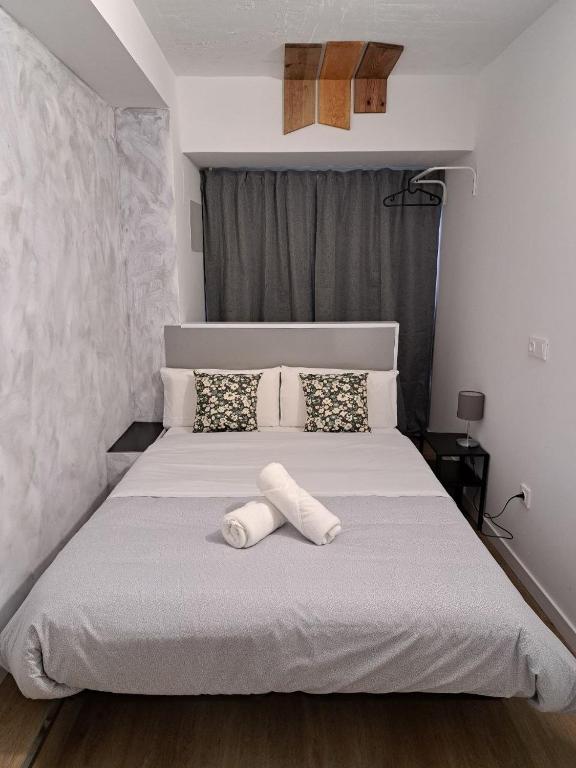
AYZ Princesa Hotel
Address: Calle de la Princesa, 25, bajo, Local 1, Moncloa – Aravaca, 28008 Madrid, Spain
Phone: +34 910 60 73 69
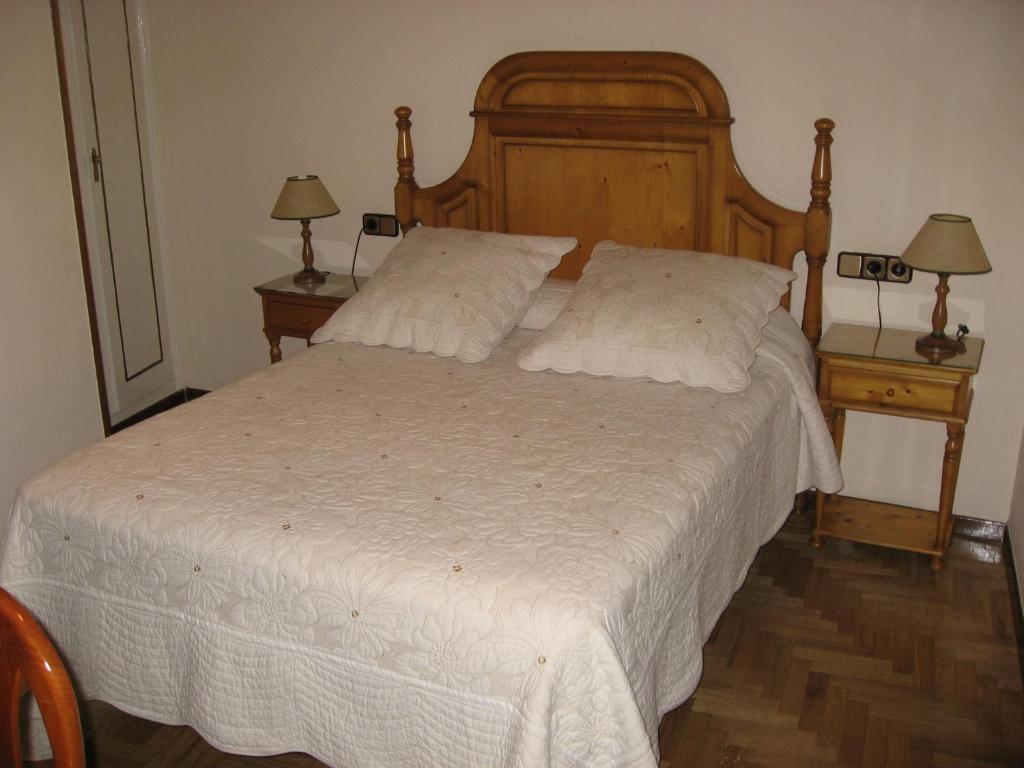
Hostal Maria Cristina
Address: Calle de Fuencarral, 20, Centro, 28004 Madrid, Spain
Phone: +34 915 31 63 00
Spain Required Information
Since 2002, Spain has embraced the monetary unit of the European Union: the euro. The euro, which uses the symbol € and the currency code EUR, is the second most traded currency in the world’s foreign exchange markets. The currency is issued by the European Central Bank. In most countries that use the euro, the symbol is typically placed after the number, such as 1€. Before 2002, the former currency of Spain was the peseta but since it was only valid in Spain, we’re grateful for the change!
For Spain there are two associated plug types, types C and F. Plug type C is the plug which has two round pins and plug type F is the plug which has two round pins with two earth clips on the side. Spain operates on a 230V supply voltage and 50Hz.
If you are visiting Spain or are a resident here and travelling back into the country, it could be that you need to bring prescription medication with you. However, it’s important to know which medications you can bring into Spain, how much you can carry and what documentation you may need.
Spain is a party to the Schengen Agreement. This means that U.S. citizens may enter Spain for up to 90 days for tourism or business without a visa. Your passport should be valid for at least three months beyond the period of stay.
Madrid-Barajas Airport (code IATA: MAD, code ICAO: LEMD) is located on the northeast of Madrid, Barajas district, only 12 kilometers from Madrid city centre.
There are two main railway stations in Madrid. The biggest is Madrid Atocha in the south. This is a hub for high-speed services from all over the country, commuter trains, and regional services from the south. The second main station is Madrid Chamartín in the north of the city.
Madrid’s public transport consists of the Madrid Metro (underground), day & night buses, the ‘Metro Ligero’ (Madrid light rail) as well as the regional train system known as the ’Cercanías’ which are the suburban trains that connect the city of Madrid with rest of the Madrid region. So, no matter where you are going, Madrid’s public transport system will get you there.
The best way to get around Madrid is by metro. A handful of metro lines extend as far north as the Madrid-Barajas Airport (MAD) as well as into the city’s southern suburbs. Buses are an option, too, as are metered taxis, which can be hailed on the street or found in ranks throughout the city.